Creating a Content Marketing Strategy That Aligns with Customer Journey Stages.
Let’s face it: throwing random content into the void doesn’t work anymore.
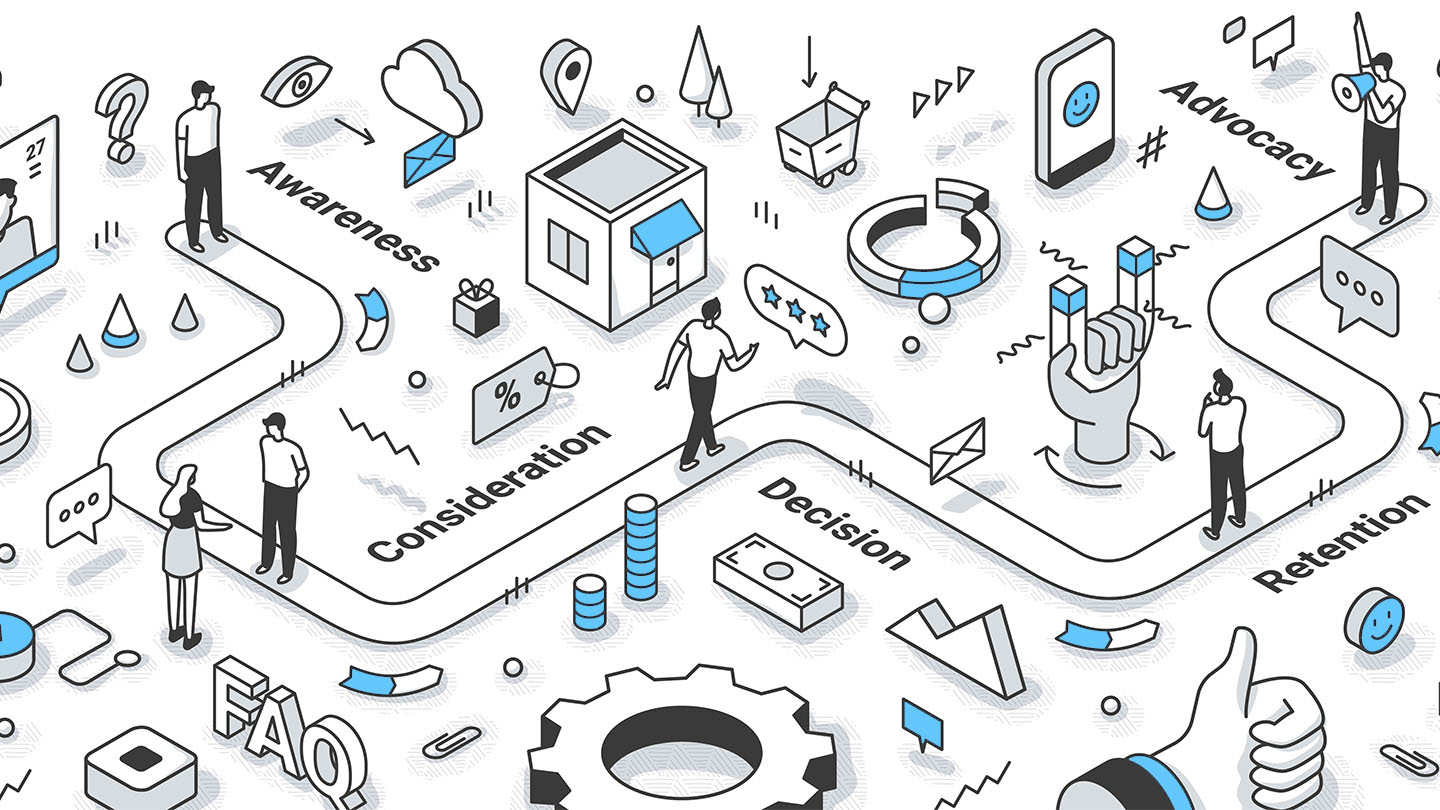
If you want your content to actually convert, it needs to meet your customer where they are in their journey — not where you wish they were. That means understanding what your audience needs at each stage (awareness, consideration, decision) and delivering the right message at the right time.
In this blog, we’ll break down how to create a content marketing strategy that’s fully aligned with the customer journey. We’ll look at what kind of content works best at each stage, why it matters, and how to map it all out.
Why Aligning Content with the Customer Journey Matters
Think about it: someone who just discovered your brand doesn’t want a hard sell. On the flip side, someone ready to buy doesn’t need a beginner’s guide , they want proof, reassurance, and urgency.
When your content matches the mindset of your audience at each stage, here’s what happens:
- Higher engagement (because it’s relevant)
- More qualified leads
- Shorter sales cycles
- Better customer experience
So how do you create content that aligns with each stage?
Let’s break it down.
Stage 1: Awareness “I Have a Problem”
At this stage, your audience is just realizing they have a problem or need. They might not even know what the solution is yet — they’re just looking for answers, ideas, or explanations.
Content Goal: Educate and build trust.
Best Content Types:
- Blog posts (how-tos, industry trends, beginner guides)
- Infographics
- Social media content
- SEO-focused articles
- Short videos (explainers, tips)
Example:
Let’s say you’re a CRM software company. Awareness stage content might be:
- “5 Signs You’ve Outgrown Your Excel Spreadsheets”
- “What is CRM and Why Does It Matter for Small Businesses?”
- “Top Sales Productivity Challenges in 2025 (and How to Solve Them)”
SEO Tip: Focus on informational keywords like “how to,” “what is,” and “best ways to.”
Key Metrics to Track:
- Website traffic
- Time on page
- Social shares
- Organic impressions
Stage 2: Consideration “What Are My Options?”
Now your audience is actively researching solutions. They know the problem, and they’re looking at different ways to fix it. Your job here is to show why your product or service is a solid option.
Content Goal: Compare, explain, and build authority.
Best Content Types:
- Comparison blog posts
- Product guides
- Email newsletters
- Lead magnets (ebooks, checklists)
- Webinars or demos
Example:
If you’re the same CRM company, you might create:
- “CRM vs. Project Management Tools: Which Is Right for You?”
- “How Our CRM Helped a Startup Boost Sales by 40% in 3 Months”
- “Free CRM Evaluation Checklist”
Key Metrics to Track:
- Email signups
- Lead magnet downloads
- Webinar attendance
- Click-through rate (CTR)
Stage 3: Decision “I’m Ready to Choose”
This is where your content should help remove friction, reduce risk, and nudge them toward a purchase decision.
Your audience is comparing features, pricing, testimonials, and looking for signs they can trust you.
Content Goal: Build confidence and convert.
Best Content Types:
- Case studies
- Customer testimonials
- Product pages
- Pricing breakdowns
- Free trial or consultation landing pages
Example content for the CRM brand:
- “How [Client Name] Increased Team Efficiency with Our CRM”
- “See What Our Clients Are Saying (Real Results)”
- “Try It Free for 14 Days — No Credit Card Required”
Key Metrics to Track:
- Conversion rate
- Trial sign-ups
- Cart abandonment rate
- Sales pipeline movement
How to Map Your Content to the Journey
Now that you know what to create, here’s how to put it into action:
Step 1: Build Customer Personas
Define who your audience is, what they care about, and what motivates them at each stage. Talk to real customers, look at analytics, and dig into your CRM data.
Step 2: Audit Your Existing Content
Look at what you already have and tag it by journey stage. You’ll probably find some gaps — like too much top-funnel content and not enough bottom-funnel content.
Step 3: Fill the Gaps
Plan content that supports users all the way through. For example:
- Awareness: SEO blogs, viral social posts
- Consideration: Lead magnets, drip email sequences
- Decision: Case studies, demo landing pages
Step 4: Align Channels with Stages
Different platforms serve different purposes. For example:
- Awareness: Instagram, TikTok, organic search
- Consideration: Email, YouTube, LinkedIn
- Decision: Website, retargeting ads, sales calls
Step 5: Track, Analyze & Iterate
No strategy is perfect right out the gate. Use tools like Google Analytics, HubSpot, or Hotjar to measure performance and adjust accordingly.
This layered approach guides a prospect from problem-aware to purchase-ready in a structured, value-driven way.
Creating a content marketing strategy that aligns with the customer journey isn’t just smart,it’s necessary in 2025. With so much content online, relevance is the only way to cut through the noise.When you meet your audience where they are, you build trust, drive conversions, and turn one-time buyers into lifelong customers.